


Shafiqur Rahman’s Campaign Redefines Jamaat’s Political Narrative
Published:
১১ ফেব্রুয়ারী ২০২৬, ১২:০৪
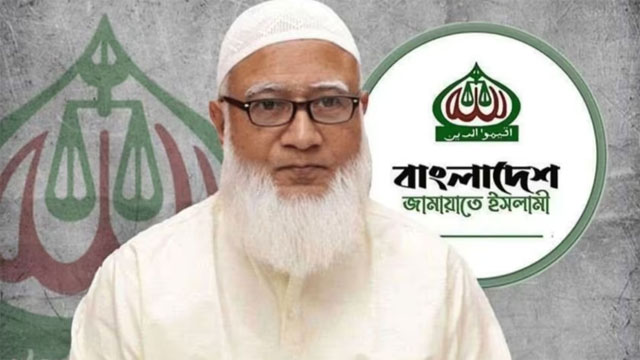
Jamaat-e-Islami Ameer Dr. Shafiqur Rahman has emerged as one of the most talked-about figures in Bangladesh’s 13th parliamentary election by adopting a new and outspoken campaign style.
Instead of focusing on traditional development pledges, he has emphasized political reform through public consensus. In almost every rally, he has called for a national referendum to bring structural changes and prevent the return of authoritarianism.
His speeches frequently highlight concepts such as “Haq” (rights) and “Insaf” (justice), along with the idea of governing the country under the “Madinah Model.” These themes have become central to Jamaat’s campaign message.
According to party sources, Shafiqur Rahman addressed more than 60 rallies across the country, traveling by road and helicopter. He directly engaged with voters and criticized the BNP over corruption and extortion.
By promoting a zero-tolerance policy against corruption and violence, he aimed to attract young voters and small business owners. He promised transparency, job creation, and skills training instead of welfare dependency.
Political analysts believe Jamaat is presenting itself as an alternative force in national politics. Since the party has never governed independently, some voters view it as an untested but potential option.
Shafiqur Rahman has also tried to address sensitive issues related to women and minorities. He has pledged safety, dignity, and equal rights, although historical controversies remain.
However, he has faced criticism over controversial statements and a disputed social media post. Despite this, Jamaat’s leaders argue that his bold approach has improved the party’s visibility.
Observers say Jamaat’s growing media presence, grassroots activities, and digital campaigns have strengthened its position. Whether this strategy will translate into electoral success will be decided by voters on election day.

Comment: