


Europe Rejects Trump’s Military Proposal as Tensions Rise in Strait of Hormuz
Published:
১৭ মার্চ ২০২৬, ১১:১৫
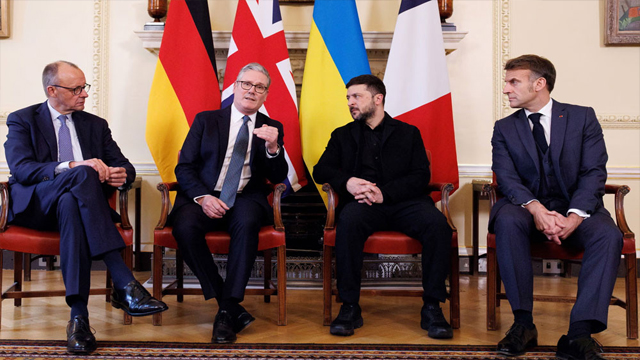
European leaders have shown reluctance to join a proposed military coalition led by U.S. President Donald Trump to secure the Strait of Hormuz, amid escalating tensions in the Middle East.
At a European Union meeting in Brussels, German Foreign Minister Johann Wadephul emphasized the need for greater clarity regarding U.S. and Israeli operations before any সিদ্ধান্ত is made. He stated that Europe must fully understand the objectives and পরিস্থিতি before considering further steps.
German Defence Minister Boris Pistorius reiterated that Germany would not participate in military action, calling it “not our war.” However, he expressed willingness to support diplomatic efforts to ensure safe oil transport through the strategic waterway.
UK Prime Minister Keir Starmer also ruled out involvement, stressing that the situation is not a NATO mission. Similar positions were echoed by several EU nations, including Greece and Italy.
Meanwhile, Danish Foreign Minister Lars Løkke Rasmussen suggested that while Europe does not support the war, it should remain open to ensuring freedom of navigation in the region.
With nearly one-fifth of the world’s oil passing through the Strait of Hormuz, ongoing conflict has disrupted global energy markets, pushing prices higher. Analysts say Europe is attempting to balance energy security concerns with its reluctance to engage in direct military conflict.

Comment: