


Power Struggle in Tehran Ends with Mojtaba Khamenei’s Rise as Supreme Leader
Published:
১৭ মার্চ ২০২৬, ১১:২১
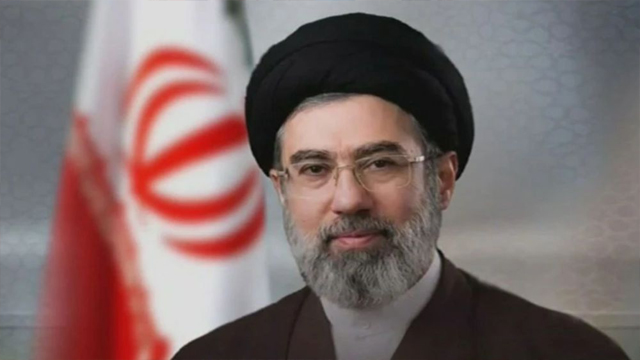
Following the death of Iran’s Supreme Leader Ayatollah Ali Khamenei amid ongoing conflict, the country witnessed an intense internal struggle to determine his successor. What appeared to be a straightforward transition from the outside was, in reality, a week-long political and power battle.
At the center of events was his son, Mojtaba Khamenei, whose rise was strongly backed by the Islamic Revolutionary Guard Corps. However, his candidacy faced resistance from moderate political factions, who advocated for a more reform-oriented leader.
The selection process, conducted by the Assembly of Experts, was disrupted by security threats and the ongoing war situation. Several meetings had to be held virtually, while intense lobbying and negotiations took place behind the scenes.
Moderate factions proposed alternative candidates, arguing for a leader capable of easing tensions with the West. In contrast, hardliners pushed for continuity and a stronger stance in response to foreign attacks.
Ultimately, Mojtaba Khamenei secured the required two-thirds majority, ensuring his appointment as the new Supreme Leader. Despite initial opposition, even rival factions later expressed public support, signaling a temporary sense of political unity.
Analysts believe the development highlights the deep power dynamics within Iran, where military influence and political alliances play a decisive role in leadership transitions.

Comment: